For Preventive Health
 For Healthcare
 For Research
Validated cognitive tasks
Each task is built on established paradigms and designed to engage specific cognitive functions: working memory, attention, inhibition, processing speed. These functions are supported by defined brain networks.


SCIENCE
ViewMind measures brain function by capturing eye movements and pupil responses during validated cognitive tasks—non-invasive, objective, and grounded in published neuroscience.
ViewMind's measurement is built on a well-established connection in neuroscience: eye movements and pupil responses are controlled by the same brain networks that support cognition. By designing cognitive tasks that engage specific brain networks and capturing the physiological and behavioral response through the eyes, ViewMind produces a structured readout of brain function that captures both how the brain is working and how it is performing.
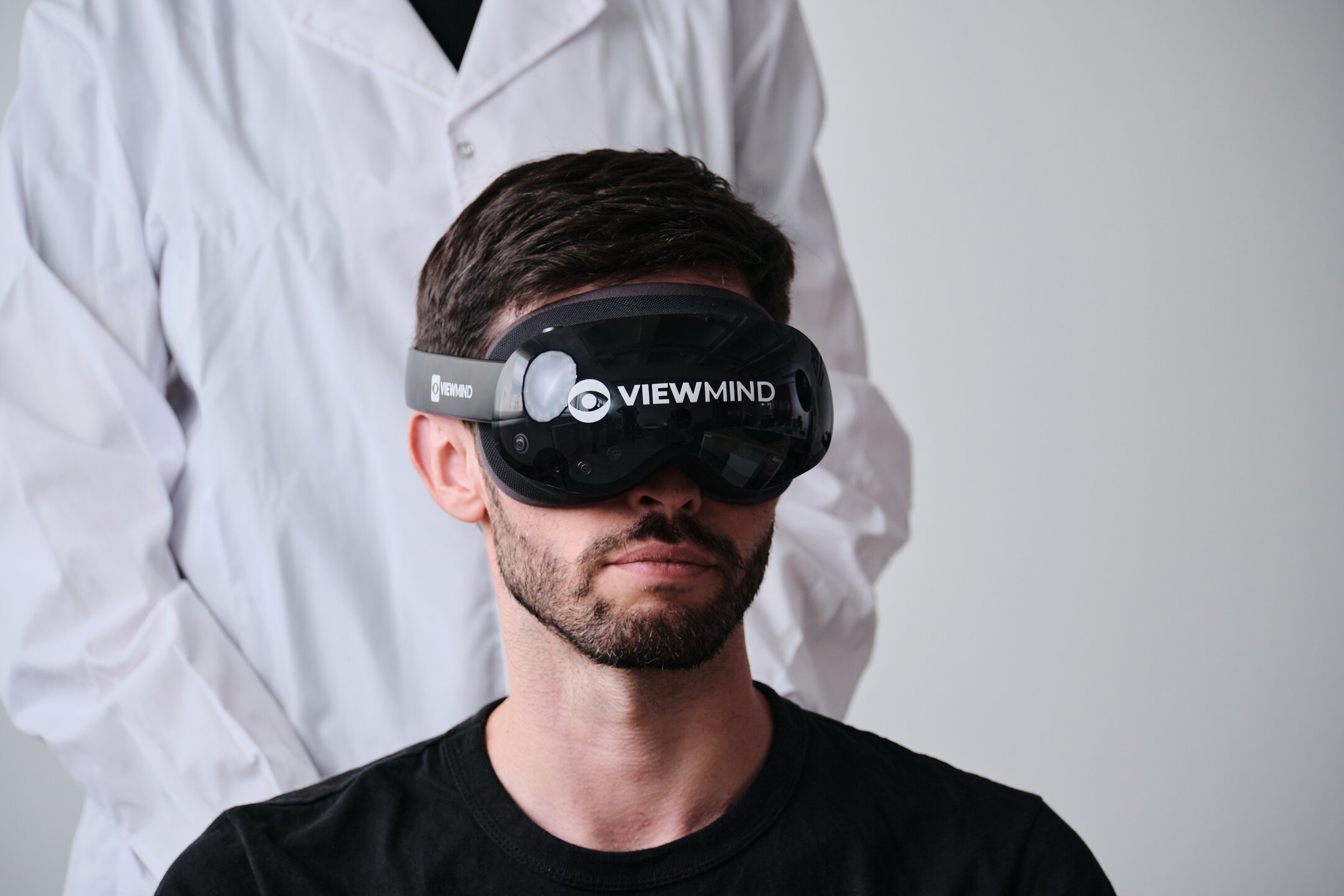
Each task is built on established paradigms and designed to engage specific cognitive functions: working memory, attention, inhibition, processing speed. These functions are supported by defined brain networks.

When engaged by the task, brain networks generate coordinated activity. Frontal and parietal regions support working memory. Other regions monitor errors and resolve conflicts. Subcortical systems regulate what information is updated or ignored. Arousal and effort systems adjust how much cognitive resource is invested.

This activity is expressed through the eyes:

ViewMind captures both levels:

Proprietary algorithms transform these raw signals into interpretable cognitive constructs, linking brain network function to behavioral outcomes across 7 cognitive domains.
Traditional cognitive assessments measure task outcomes: whether the answer was correct, how fast the response was. ViewMind measures how the brain arrived at those outcomes: the physiological processes and decision-making dynamics that produced the response.

A patient can score normally on behavioral measures while physiological signals indicate the brain is working harder to achieve that performance. ViewMind captures that gap. In early-stage and preclinical conditions, this is often where the first measurable changes appear.

In healthy populations, ViewMind's physiological patterns remain stable across age. Task-specific oculomotor signatures are robust to normal aging, enhancing specificity for detecting pathological dysfunction rather than age-related variation.
ViewMind's validation spans biological biomarkers, neuroimaging, and cognitive testing, demonstrating that its eye-movement and pupil-based measures reflect real-time brain network function.
Strong associations with core Alzheimer's disease biomarkers:
Alignment with established indicators of neuroanatomical integrity:
Formal validation across multiple cohorts:
In healthy populations, physiological patterns remain stable across age, supporting specificity for pathological dysfunction rather than normal aging variation.





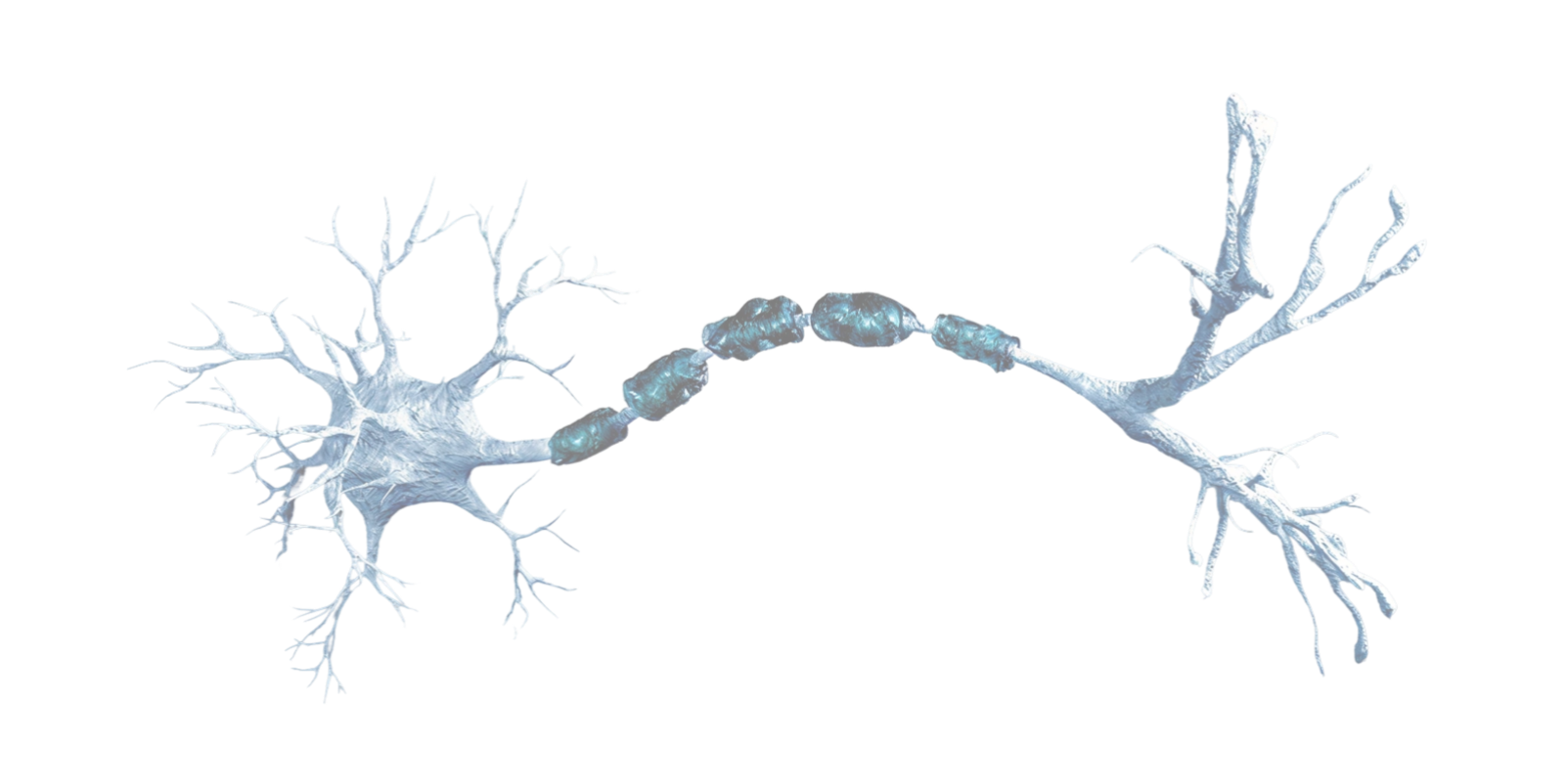
ViewMind Atlas is included in BioHermes-002, validating novel biomarkers in patients at risk of or diagnosed with Alzheimer's disease.
1,000 patients across 32 clinical sites.
80 +
Peer-reviewed publications · 3,000+ citations
3.000 +
Citations
20
Years of fundamental research
ISO 13485 certified
25 patents
HIPAA & GDPR compliant
Our scientific and clinical team is available to discuss our technology, validation studies, and potential research collaborations.
Contact Our Scientific Team